
Textbook Trade Setup: The Trap Most Traders Don’t See
Most traders believe the market respects support and resistance.
But what if those “perfect setups” are actually traps?
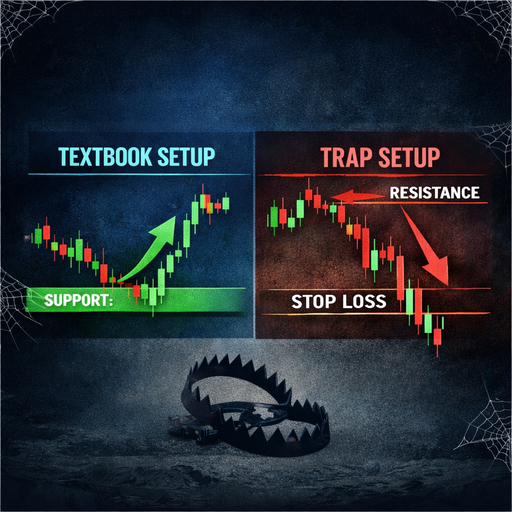
What I call a Textbook Trade Setup is a clean, rule-based trade where price behaves exactly as expected — bouncing from support or rejecting from resistance.
It looks simple.
It feels predictable.
And that’s exactly why it’s dangerous.
The Illusion of Consistency
These setups often work in the beginning.
After 2–3 successful trades, most traders become overconfident. They start ignoring proper risk management and increase their position size.
That’s when the market changes behavior.
A perfect setup appears again.
Everything looks right.
But this time — it fails.
Why This Happens
Trading is not just logic or strategy.
It is deeply driven by psychology, emotion, and human behavior.
The same chart does not give the same signal to everyone.
If it did, everyone would win — and that’s not how markets work.
Textbook setups act like a honey trap:
- Some work
- Some fail
- No one can predict with certainty
The Reality of the Market
The market is not designed for easy profits.
One trader’s loss becomes another trader’s gain. This is why many call it a zero-sum game.
What separates profitable traders is not just strategy — but discipline.
They follow their rules:
- In wins
- In losses
- Under pressure
Final Thought
Identifying textbook setups is important.
But blindly trusting them is dangerous.
Because in trading —
What looks the cleanest is often the trap.
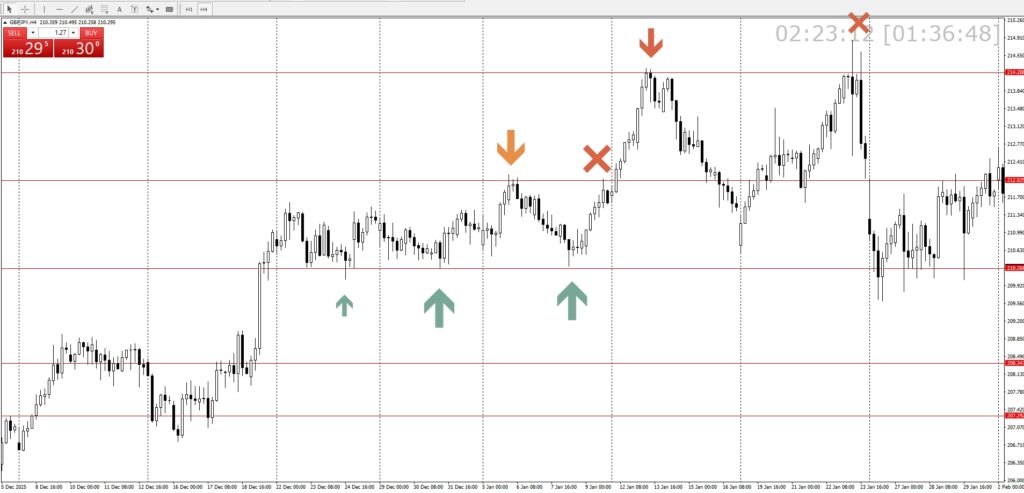
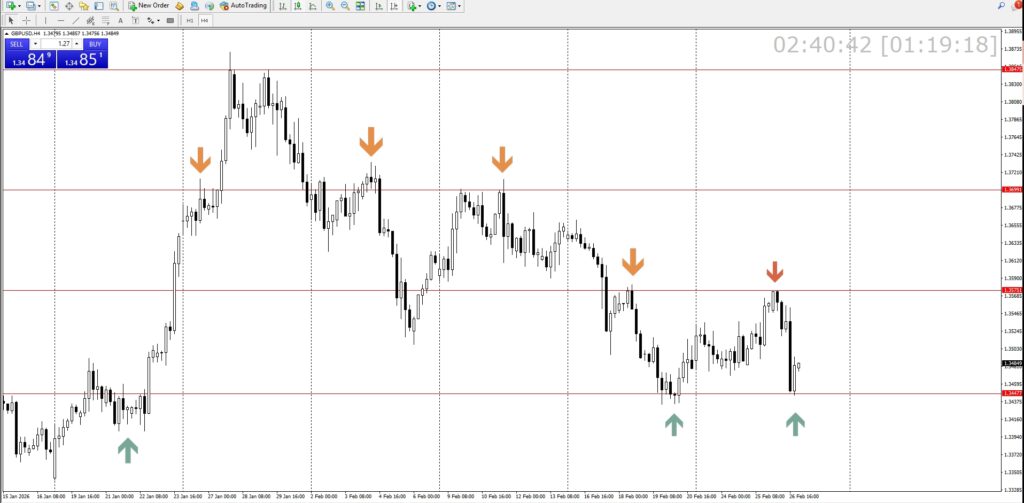
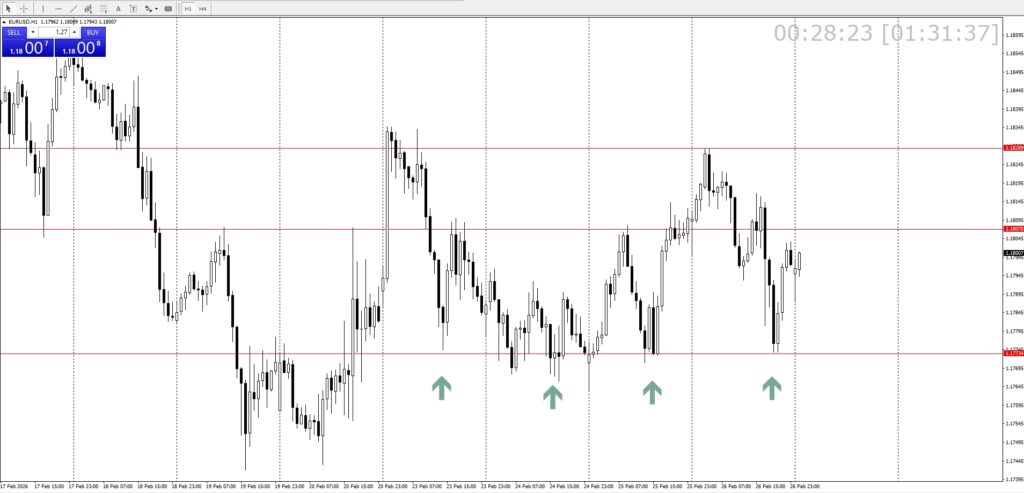
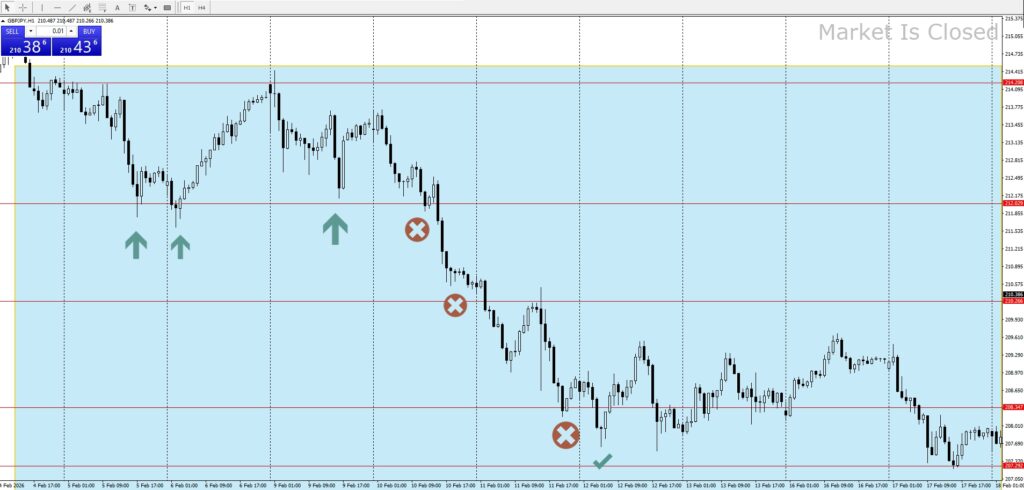
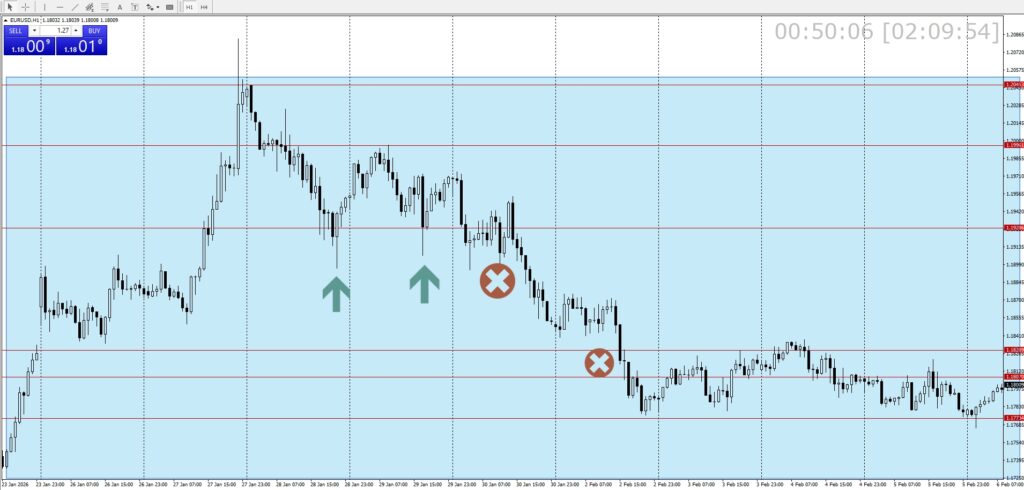
The first few examples I showed (in plain/white charts) are what I consider textbook setups. These are situations where, if a trader follows the “grammar” or rules of trading, they can often come out profitable.
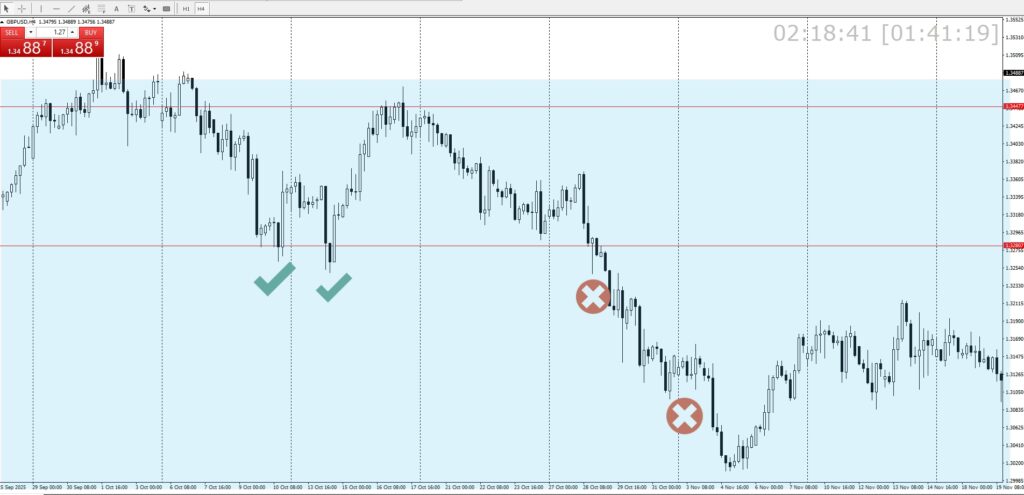
On the other hand, the setups shown in blue are examples of textbook setup failures—where even after following all the rules, the trade still hits stop loss.